
Quick Facts
Quick facts give you valuable resources to learn quickly about different things of significance in the Arctic categorized in the following main categories
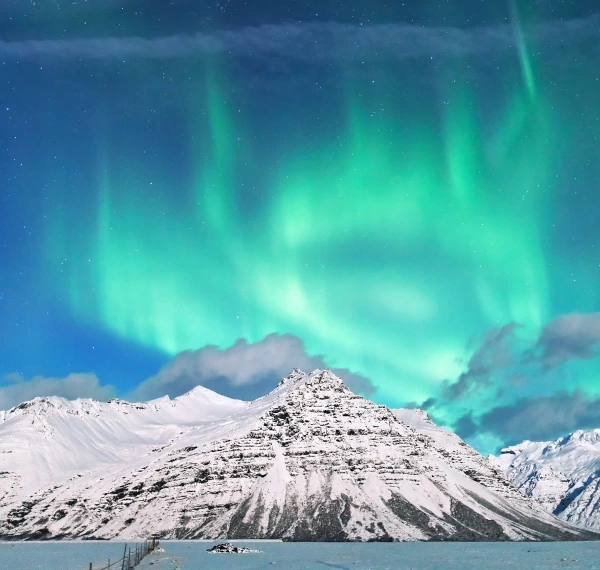
Maps & Knowledge
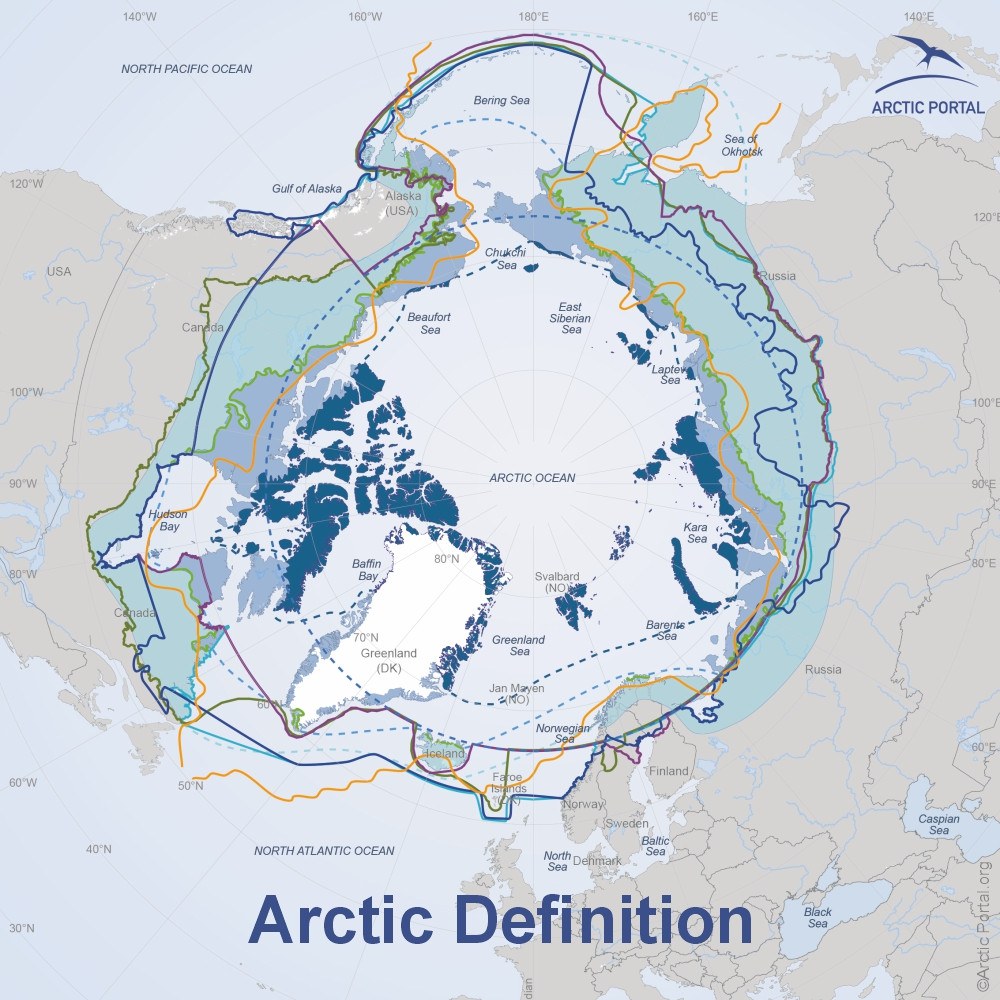
Explore Arctic geography, islands and the different ways the Arctic is defined.
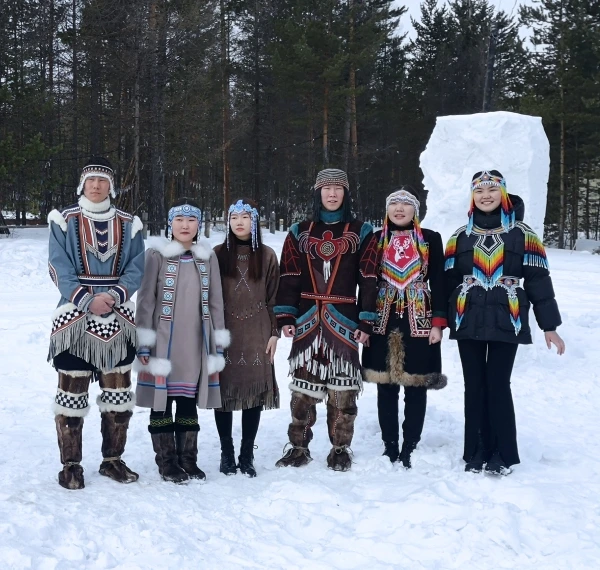
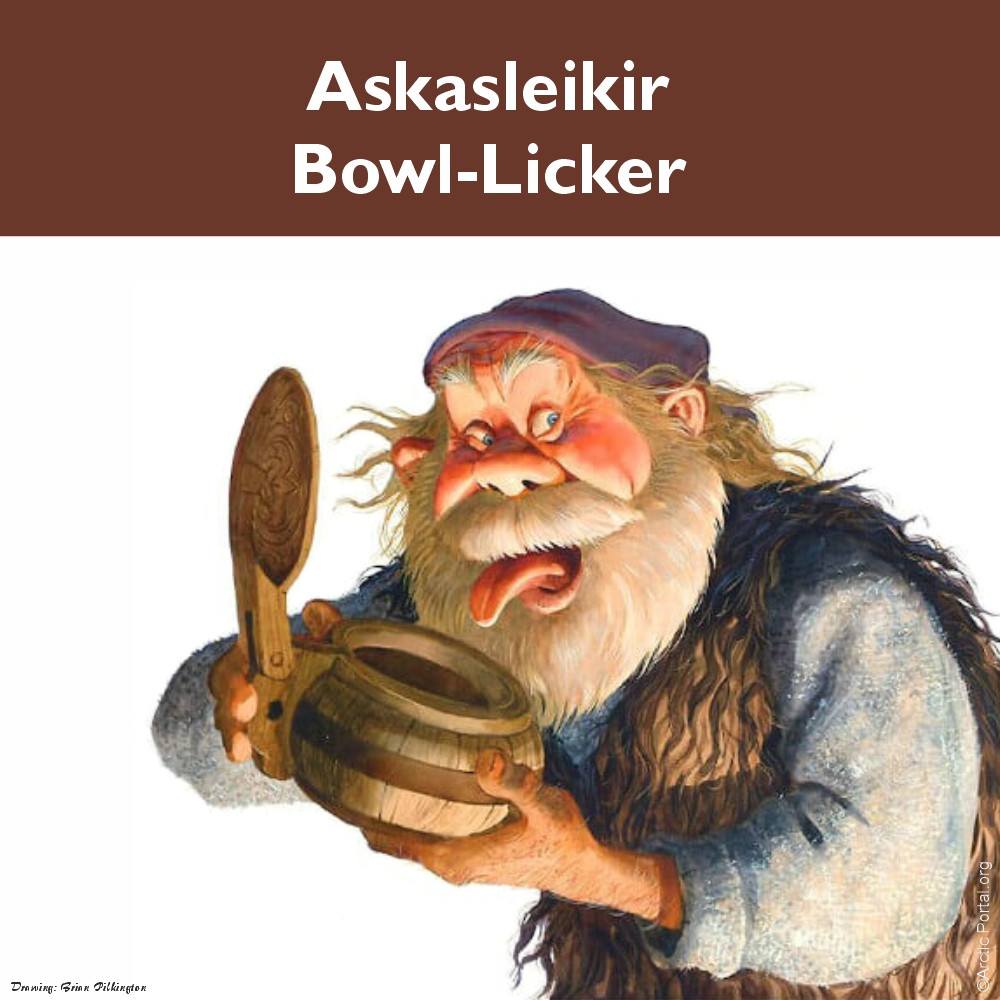
Societies & Culture
Explore the Arctic's cultures, resilient communities and enduring traditions.
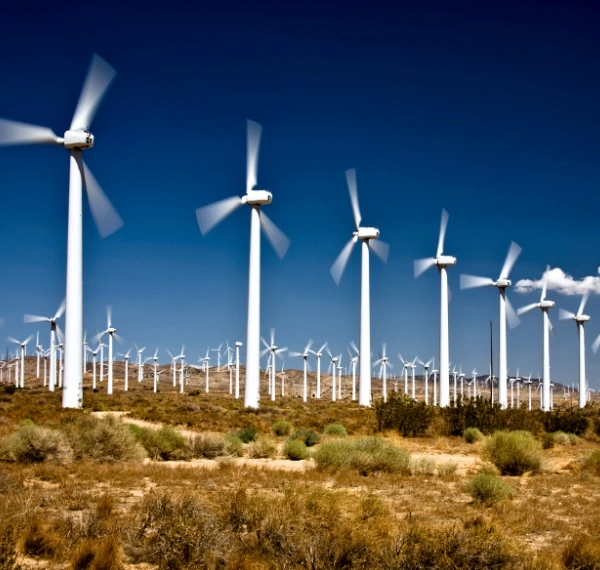
Environment & Science
Explore Arctic governance, institutions & cooperation.
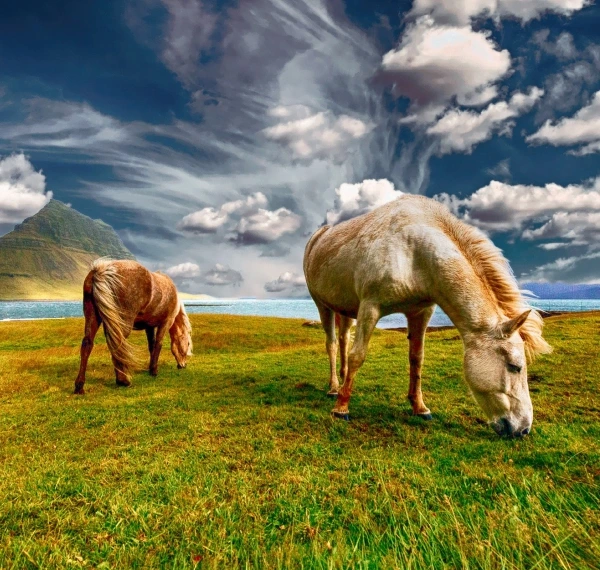
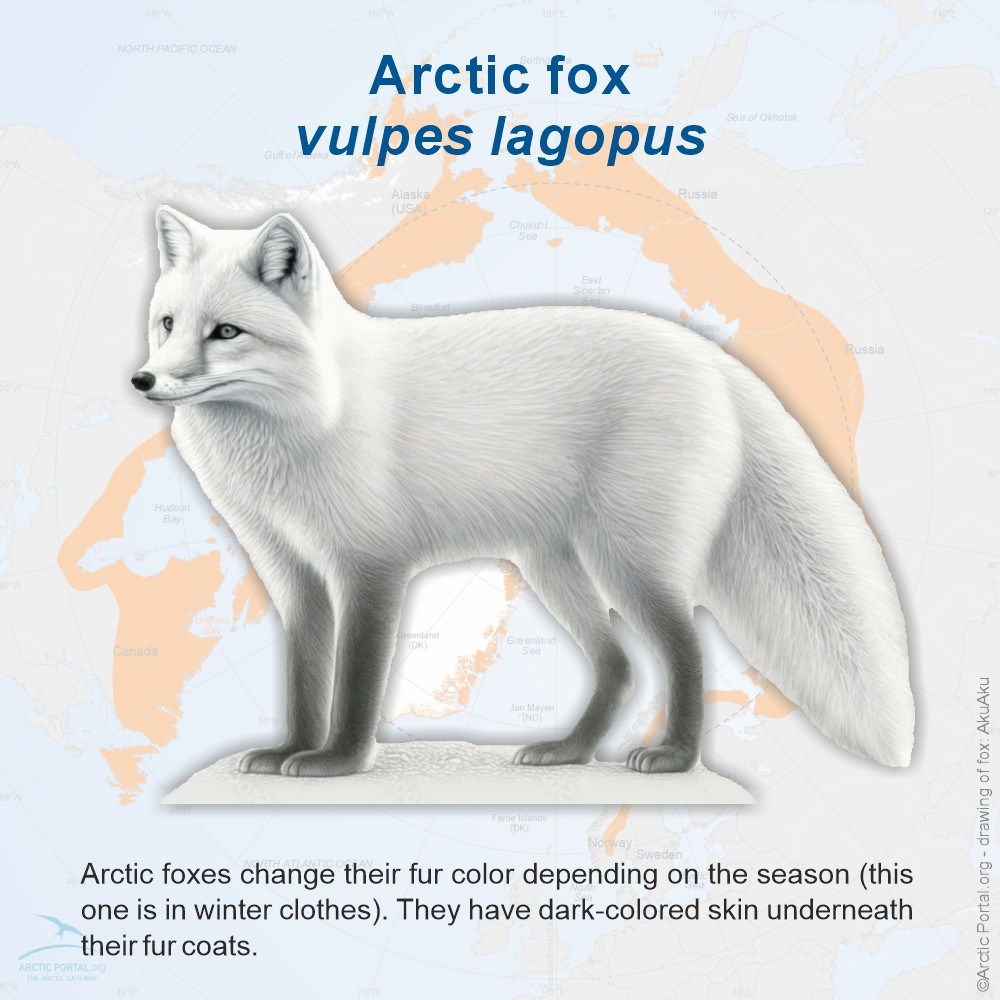
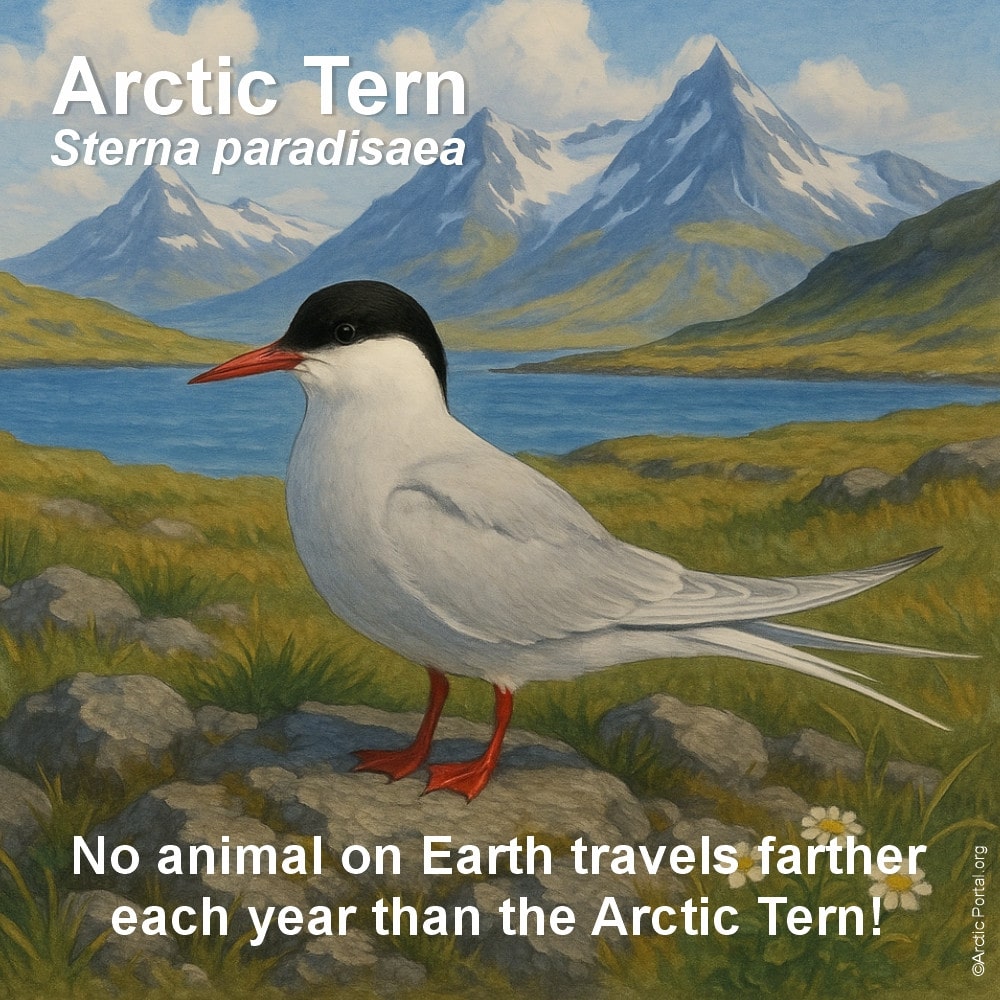
Animals & Plants
Discover the unique wildlife and plants of the Arctic.
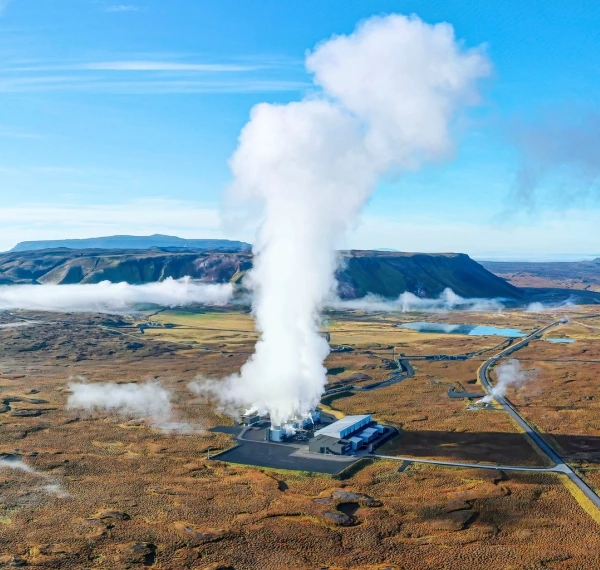
Economy & Resources
Explore the Arctic's natural resources and renewable energy potential.
Governance & Policies
Explore Arctic governance, institutions & cooperation.
View all Quick Facts in alphabetical order
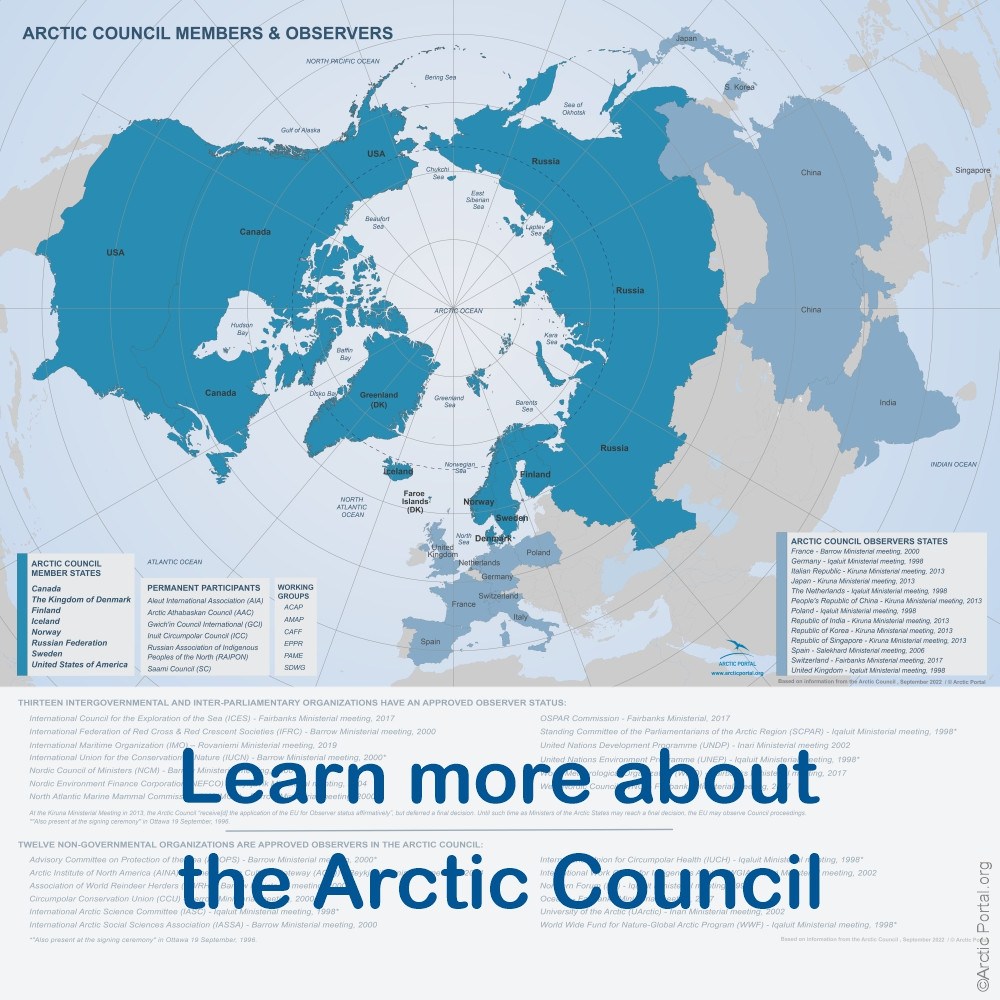
Arctic Portal.org - 2026 © All rights reserved.
When quoting, reusing or copying any material on the arcticportal.org or any of its sub-sites including but not limiting to: information, news, articles, data, maps or images, in part or in full, a citation stating the origin and a hyperlink to www.arcticportal.org is required.