
News
Iceland’s Swimming Pool Culture Added to UNESCO’s Intangible Cultural Heritage List
Iceland’s unique swimming pool culture has been officially inscribed on UNESCO’s List of the Intangible Cultural Heritage of Humanity, placing it alongside globally recognised living traditions such as Belgian beer culture, the French baguette and Finnish sauna culture.
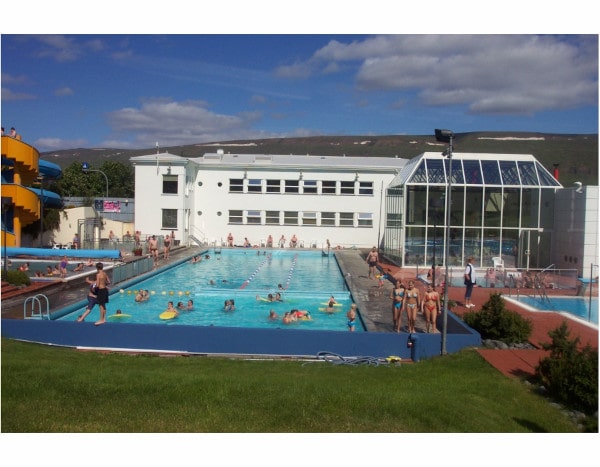 The decision was confirmed at a meeting of UNESCO’s Intergovernmental Committee held in New Delhi, India, following an 18-month evaluation process that began with Iceland’s nomination in March 2024. The recognition marks a major milestone for Iceland and represents the country’s first independent inscription on the prestigious list.
UNESCO’s decision acknowledges the deep cultural significance of public swimming pools in Icelandic society. Far more than places for exercise, swimming pools function as shared public spaces and social commons where people of all ages, backgrounds and abilities come together. Visitors swim, relax, chat with friends or strangers, or simply enjoy moments of solitude, often surrounded by warm water in an otherwise cold climate.
The scale of the tradition is striking. According to figures highlighted during the nomination process, 79 per cent of Iceland’s population regularly visit swimming pools, with 40 per cent attending once a month or more. This widespread participation underscores how deeply embedded pool culture is in everyday life.
At the heart of this tradition lies geothermal energy, which makes Iceland’s extensive network of heated indoor and outdoor pools possible. People visit pools for many reasons: to exercise, to unwind, or to enjoy social interaction, particularly in the hot tubs. The hot tub, in particular, plays a central role as an informal meeting place and a well-known venue for discussion, where people gather to talk, exchange views and catch up on current affairs.
Swimming pool culture in Iceland is also notable for its egalitarian nature. People meet in swimwear on equal footing, fostering openness, tolerance and social cohesion. The tradition supports not only physical health, but also mental and social wellbeing, making pools an integral part of community life.
The nomination was the result of extensive collaboration led by the National Museum of Iceland, with earlier groundwork carried out by the Árni Magnússon Institute for Icelandic Studies. Pool users across the country, swimming clubs, youth and sports associations, municipalities and national organisations all contributed testimonies and support. Ten municipalities submitted formal letters of endorsement, including the City of Reykjavík, which also produced a ten-minute documentary film accompanying the nomination. Former President of Iceland, Guðni Th. Jóhannesson, was among those who publicly supported the effort.
 UNESCO places strong emphasis on community participation, and meetings were held nationwide to gather public input. Swimmers shared personal experiences of pool culture, highlighting how traditions and social norms are passed down through generations, from parents taking infants to the pool, to children learning swimming and pool etiquette through school programmes and peer interaction.
In its description of Icelandic swimming pool culture, UNESCO highlights the widespread use of heated outdoor pools, their accessibility regardless of age, background or ability, and the role of hot tubs as informal gathering places for conversation and exchange of ideas. Pools are publicly owned and run by municipalities “by the community, for the community,” creating distinctive social spaces found nowhere else in quite the same way.
The UNESCO Intangible Cultural Heritage list, often described as the “little sister” of the World Heritage List, includes more than 800 traditions from over 150 countries, ranging from food and dance traditions to festivals and craftsmanship. This year, Iceland was one of 77 countries seeking recognition, and international coverage, including in The New York Times, has noted that UNESCO recognition can also help attract cultural tourism.
With this inscription, Iceland’s swimming pool culture is now officially recognised as a living tradition of global cultural value, one that reflects equality, sustainability, community spirit and the enduring power of shared public spaces.
Sources: Stjórnarráð Íslands, Upplýsingakrifstofa Sameinuðu þjóðanna fyrir Vestur-Evrópu, UNESCO
The tags below provide an opportunity to view previously posted related news within the selected category